

The visibility gap is the reason so many talented professionals do excellent work for years and still get overlooked when it’s time for a promotion, a bigger project, or a seat at the leadership table. It isn’t about the quality of the work. It’s about whether the people who make decisions actually saw it, understood it, and remember it when it matters.
What the Visibility Gap Actually Is
The visibility gap is the distance between the work someone genuinely does and the work leadership perceives them to have done. Quiet, competent professionals often assume results will speak for themselves. Decision-makers, meanwhile, can only reward what they’ve noticed and noticing is shaped as much by communication as by competence.
Why Great Work Doesn’t Always Get Rewarded
Impact Gets Buried in the Day-to-Day
Solid, steady work rarely interrupts anyone’s day. It doesn’t generate an alert, a headline, or a story people repeat in a hallway conversation. Without a deliberate effort to surface it, even significant contributions blend into the background noise of a busy organisation.
Delivery Gets Delegated to Someone Else
Many professionals let their manager summarise their work on their behalf. But secondhand summaries lose detail and nuance fast the person telling the story rarely conveys it with the same weight as the person who actually did it.
Change Work Is Especially Easy to Miss
This is particularly true for change and transformation work, where success often looks like nothing going wrong. A landmark study of 84 major change initiatives found that only 11% of the executives who led successful change programs were promoted afterward, while nearly 40% left the organisation entirely proof that even large-scale, high-stakes transformation work can go almost entirely unrewarded if it isn’t made visible.
What Successful Professionals Do Differently
- They narrate the change, not just deliver it. They explain what shifted, why it mattered, and what would have happened without their involvement.
- They show up in person, not just in reports. A face-to-face update carries more credibility than an email summary buried in an inbox.
- They lead the story upward, not just downward. They keep senior stakeholders, not just their immediate team, informed of progress and wins.
- They close the loop publicly. They report the before-and-after outcome, not just the fact that a project was completed.
Why Change Leadership Skills Are the Fastest Way to Close the Gap

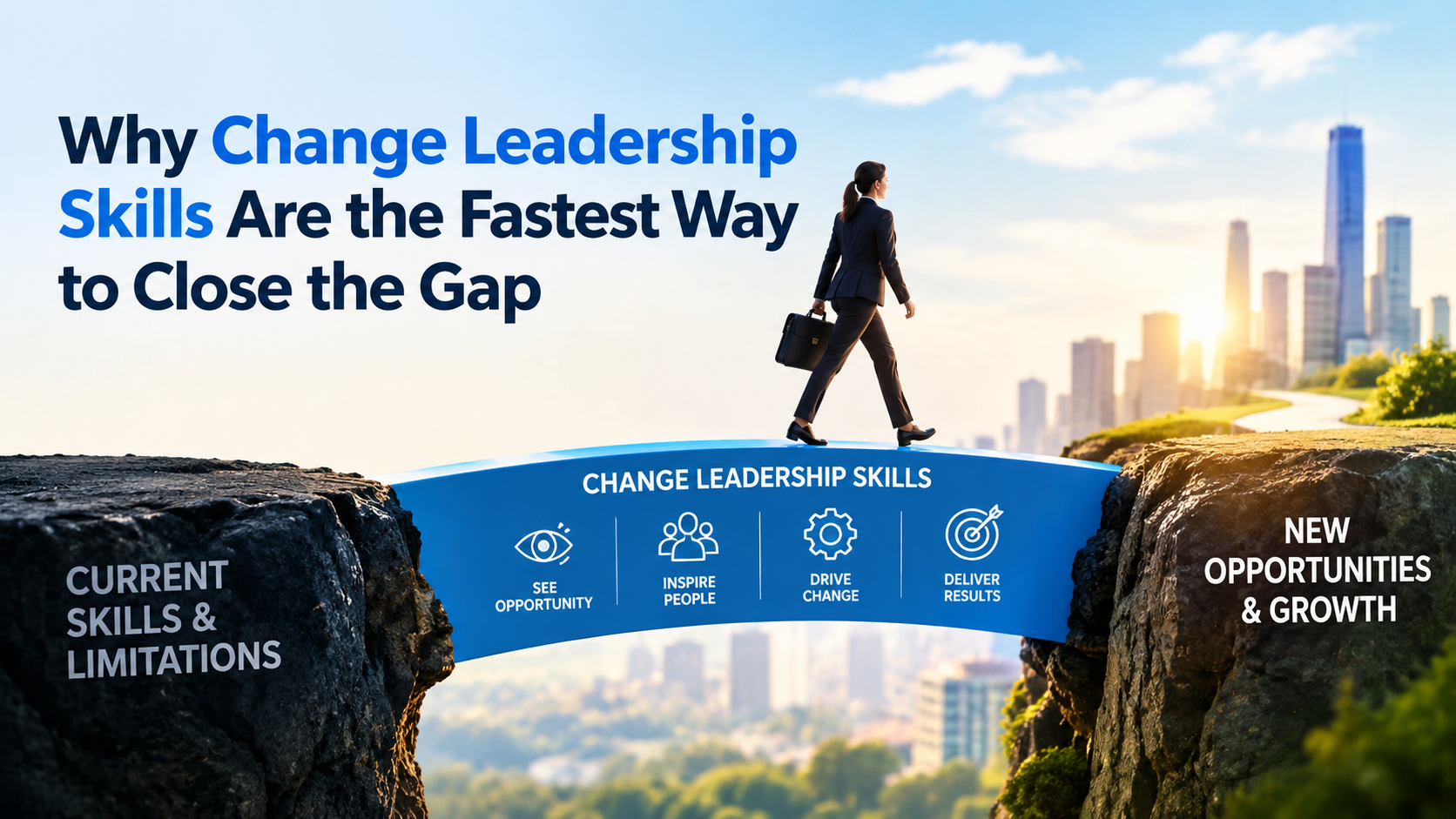
A recent enterprise study on leadership and transformation found something striking: organisations are 5.5 times more likely to fail at change without visible leadership and clear communication, even when the underlying strategy is sound. In other words, being technically right about a change isn’t enough leaders who are trained to communicate change clearly and consistently are the ones whose work actually gets seen, trusted, and rewarded.
This is exactly what structured change management training builds: the stakeholder communication, sponsorship, and storytelling skills that turn quiet operational work into a visible leadership narrative. It’s why professionals in Sydney, Melbourne, Brisbane, and Perth increasingly pursue a formal change management course not just to manage transformation projects better, but to be recognised as the person who led them.
How to Close the Visibility Gap in Your Own Career
- Send a short monthly impact update. Summarise outcomes, not tasks, directly to the people who make promotion decisions.
- Present your own results. Ask to walk leadership through project outcomes yourself instead of letting your manager relay them.
- Frame work as change, not maintenance. Describe what shifted because of you, even for routine improvements.
- Build sponsor relationships early. Keep senior stakeholders informed before you need their support, not after.
- Invest in structured change training. Formal frameworks give you a shared language leadership already trusts and listens for.
Frequently Asked Questions
What is the visibility gap at work?
It’s the difference between the work someone actually does and the work leadership perceives or remembers. Great work that isn’t communicated clearly often falls into this gap and goes unrewarded.
Why does change management work often go unrewarded?
Successful change usually looks like the absence of disruption, so it’s easy for leadership to underestimate how much effort and skill it took unless the change leader actively communicates the before-and-after impact.
Can training help close the visibility gap?
Yes. Structured change management training builds the stakeholder communication and sponsorship skills that make transformation work visible, trusted, and easier for leadership to reward.
Final Thoughts
Closing the visibility gap isn’t about doing more work it’s about making sure the work you already do is seen, understood, and remembered by the people who decide what gets rewarded. A change management course is one of the most practical ways to build that skill set, whether you’re based in Sydney, Melbourne, Brisbane, Perth, or anywhere else in Australia.